
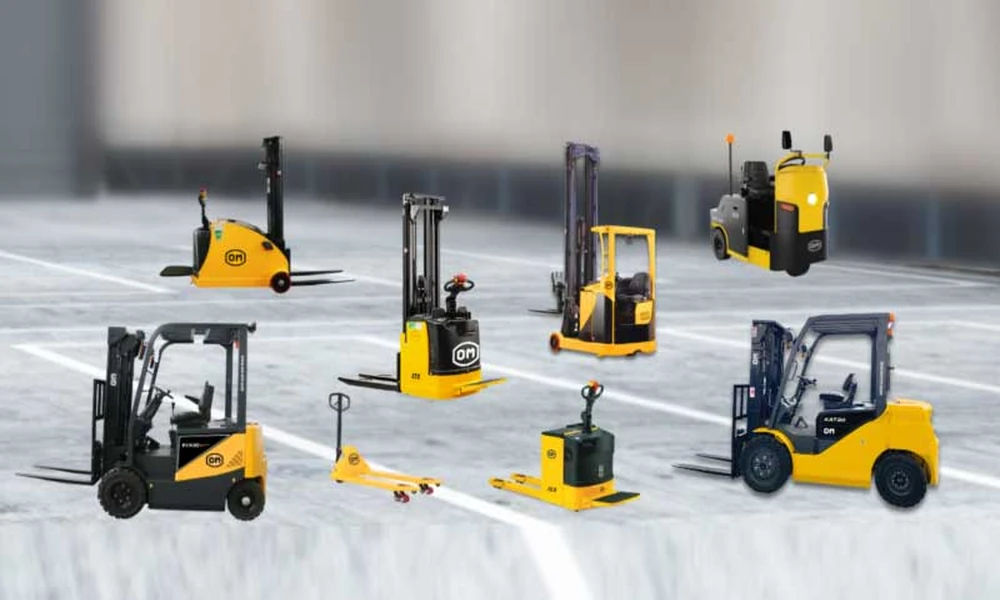
Key Takeaways
Forklift rental in Miami gives businesses the flexibility to adjust equipment capacity based on seasonal demand, project requirements, and changing workloads.
Renting can reduce the financial burden associated with equipment ownership, including large upfront costs, maintenance, repairs, insurance, and depreciation.
Rental forklifts can provide access to newer models with improved fuel efficiency, ergonomics, and modern safety technology without requiring a long-term purchase.
Flexible rental periods help Miami businesses respond quickly to market changes, temporary projects, and unexpected increases in material-handling needs.
Professional rental providers can support workplace safety through equipment inspections, maintenance, and guidance on proper forklift operation.
Many rental companies also provide training and expert assistance, helping employees operate equipment safely while reducing avoidable downtime.
Overall, forklift rental can improve operational efficiency while allowing businesses to preserve capital and adapt their material-handling resources as needed.
Flexible Equipment for Changing Business Demands
In Miami’s fast-paced business environment, equipment needs can change quickly. Construction projects, warehouses, logistics companies, retailers, and other businesses may experience periods when they need more material-handling equipment than usual. Purchasing additional forklifts for temporary demand can leave companies with expensive machinery that may sit unused later.
This is where forklift rental in Miami can provide a practical solution. Businesses can increase their available equipment during busy periods and reduce their fleet when demand returns to normal. This flexibility makes rental particularly useful for seasonal operations and short-term projects.
Meeting Seasonal and Project-Based Needs
Different industries experience different demand cycles. A retailer may require additional forklifts during the holiday season, while a construction company may need specialized equipment only for the duration of a particular project.
Rental arrangements allow businesses to match equipment availability with actual operational requirements.
- Seasonal businesses can increase fleet capacity during busy periods.
- Construction companies can rent equipment for individual projects.
- Warehouses can respond to temporary increases in inventory.
- Businesses can test different forklift types before making a purchasing decision.
Rather than committing capital to equipment that may not be needed year-round, companies can use rentals to maintain a more efficient fleet.
Lower Costs Compared With Forklift Ownership
One of the most significant advantages of renting is the potential for better cost control. Purchasing a forklift requires a substantial initial investment, followed by ongoing expenses such as maintenance, repairs, insurance, and depreciation.
Rental arrangements can make these costs more predictable. Instead of allocating a large amount of capital toward equipment ownership, businesses can use their available funds for inventory, employees, expansion, or other operational priorities.
Reducing Maintenance and Repair Expenses
Forklift ownership comes with responsibility for keeping equipment in safe working condition. Unexpected repairs can also disrupt operations and create unplanned expenses.
With many rental arrangements, routine maintenance and servicing are handled by the rental provider according to the agreement.
Key financial advantages may include:
- Lower upfront investment: Businesses avoid the full purchase price of new equipment.
- Predictable expenses: Rental payments can make budgeting easier.
- Reduced maintenance responsibility: Providers may handle scheduled maintenance.
- No depreciation burden: Businesses do not have to account for the declining value of an owned forklift.
For companies that only need forklifts periodically, avoiding ownership costs can make renting particularly attractive.
Access to Modern Forklift Technology
Forklift technology continues to evolve, with manufacturers introducing improvements in safety, efficiency, ergonomics, and performance. Purchasing new equipment every few years can be expensive, particularly for businesses trying to maintain a large fleet.
Rental gives companies an opportunity to access newer equipment without committing to long-term ownership.
Improving Performance and Efficiency
Modern forklifts can include features designed to improve productivity and operator comfort. Depending on the equipment and rental provider, businesses may have access to:
- Improved energy efficiency
- Ergonomic operator controls
- Advanced stability systems
- Load-management technology
- Enhanced visibility features
- Modern electric forklift options
Access to newer equipment can help businesses avoid relying on outdated machinery that may be less efficient or more expensive to maintain.
For companies focused on improving warehouse and logistics performance, having access to appropriate modern equipment can make everyday material handling more efficient.
Faster Response to Market Changes
Business conditions rarely remain constant. An unexpected order, new project, inventory increase, or seasonal rush can suddenly create a need for additional lifting capacity.
Buying a forklift isn’t always practical when equipment is needed immediately or only for a limited period. Rental services can provide businesses with a faster way to increase their available equipment.
Scaling Equipment When You Need It
The ability to scale equipment can be especially valuable for Miami businesses operating in competitive industries. Instead of permanently expanding a fleet, companies can rent additional forklifts when workloads increase.
For example, a business may need several additional forklifts for a major warehouse project. Once the project is complete, the equipment can be returned rather than remaining as an underutilized asset.
This flexibility can help companies:
- Respond to sudden increases in demand.
- Handle temporary projects more efficiently.
- Avoid unnecessary long-term equipment commitments.
- Select equipment according to specific job requirements.
Being able to adapt quickly can help businesses maintain productivity even when operational requirements change unexpectedly.
Improved Workplace Safety and Equipment Readiness
Safety is another important consideration when selecting material-handling equipment. Forklifts require proper inspection, maintenance, and operation to help reduce workplace risks.
Rental providers can help businesses maintain equipment readiness by providing forklifts that are serviced and inspected according to their maintenance schedules and applicable requirements.
Regular Inspections and Maintenance
A well-maintained forklift is important for both productivity and workplace safety. Mechanical problems can cause unexpected downtime and potentially create hazardous working conditions.
Depending on the rental agreement, businesses may receive support that includes:
- Routine equipment inspections
- Preventive maintenance
- Repairs when necessary
- Equipment replacement or service support
- Guidance regarding proper operation
Businesses should still verify that rented equipment meets applicable workplace safety requirements and ensure operators receive appropriate training.
Access to Modern Safety Features
Newer forklifts can offer features designed to improve operator awareness and equipment control. Depending on the model, these may include backup alarms, stability systems, visibility enhancements, and load-related safety technologies.
Combining properly maintained equipment with trained operators creates a stronger foundation for a safe and productive workplace.
Professional Training and Rental Support
The benefits of forklift rental extend beyond simply receiving equipment. Working with an experienced rental provider can give businesses access to additional support when selecting, operating, and maintaining forklifts.
Professional guidance can be especially useful for businesses that aren’t familiar with the different forklift models available for specific applications.
Training and Operational Assistance
Forklift operation requires appropriate training and awareness. Businesses should ensure operators meet applicable training requirements before operating equipment.
A knowledgeable rental provider may also help businesses understand which forklift is appropriate for their workload, facility, lifting capacity, and operating environment.
Useful support may include:
- Operator training resources
- Equipment selection guidance
- Maintenance assistance
- Troubleshooting support
- Recommendations based on project requirements
Having access to professional assistance can reduce equipment-related downtime and help businesses make better decisions about their material-handling needs.
Selecting the Right Forklift for the Job
Not every forklift is appropriate for every environment. Factors such as load capacity, operating space, terrain, lifting height, fuel type, and project duration should be considered before selecting equipment.
An experienced rental provider can help businesses compare available options and choose equipment that fits the specific application.
Ultimately, the right combination of equipment, operator training, maintenance, and rental flexibility can contribute significantly to operational efficiency.
FAQ
What types of businesses benefit most from forklift rentals?
Construction companies, warehouses, logistics operations, retailers, manufacturers, and businesses with seasonal workloads can all benefit from forklift rentals. Renting is particularly useful when equipment is required for temporary projects or fluctuating demand.
How does forklift rental affect business cash flow?
Renting can reduce the large upfront expense associated with purchasing a forklift. Businesses can instead allocate capital toward other priorities while paying for equipment according to the rental arrangement.
Can rental agreements be customized?
Many rental providers offer different rental periods and equipment options. Businesses should discuss their project duration, workload, and equipment requirements with the provider to determine the most suitable arrangement.
What services can come with forklift rentals?
Depending on the provider and agreement, services may include maintenance, inspections, equipment support, delivery, pickup, and operator training resources.
How often should businesses reassess their forklift needs?
Businesses should review their equipment requirements whenever workloads, projects, facility layouts, or seasonal demand change. Regular assessments can help prevent both equipment shortages and unnecessary fleet expenses.
What safety considerations should businesses make when renting forklifts?
Companies should verify that equipment is properly maintained and appropriate for the intended application. Operators should also receive the required training, and businesses should follow applicable workplace safety regulations.
How are maintenance and repairs handled with rental forklifts?
The specific responsibilities depend on the rental agreement. Many providers offer maintenance and repair support, but businesses should review the contract carefully to understand what is included.
What should businesses consider when selecting a forklift?
Important factors include load capacity, lifting height, operating environment, available space, fuel or power type, project duration, and the specific materials being handled. Professional rental providers can help businesses identify an appropriate model.
Useful Resources
- Occupational Safety and Health Administration (OSHA) – Vital guidelines on workplace safety and regulations concerning machinery use.
- National Institute for Occupational Safety and Health (NIOSH) – Insights and recommendations on safety practices for operating forklifts and other heavy machinery.
- Canadian Centre for Occupational Health & Safety (CCOHS) – Resources addressing health and safety protocols across various industries, including forklift operation guidelines.
- Forklift Training Institute – A comprehensive platform to locate training programs and certifications focused on safe and efficient forklift operation.
- American Rental Association (ARA) – Information about equipment rentals throughout North America, featuring expert guidance and industry standards.
- Institute of Food Technologists (IFT) – Delivers insights on technological advancements and best practices relevant to logistics and supply chain management.
- AIM Safety – A resource for safety training and compliance guidance in the equipment rental landscape.
- Forkliftaction News – Provides news, industry reports, and insights regarding trends in forklift technology and rental services.